Treatment strategies that are negotiated straight with customers welcome the client to share both initiative and responsibility for determining the course of treatment, consisting of both end goals and the steps to take in striving to reach those objectives. Recent work points towards the worth of customizing treatments to people in their specific sociocultural contexts.
Treatment dyads can also generate and check "person-specific" hypotheses about the functional relationships in between relevant elements indentified in the case formula of the client's issues (Mumma, Marshall & Muir, 2018). In sum, a workable treatment plan is responsive to the customer's mentioned interests, offers flexible structure, strengthens client choice, supports decision-making, and promotes duty for results of customer habits.
The first component is the reasoning offered to the client for generating a plan; this consists of the therapist's thoughtful action to the client's response to the planning proposition. As soon as the client concurs to collaborate on a strategy, the 2nd part defines the issue(s) to be attended to in treatment. Third, planning involves clarification of objectives to be attempted, with the preferred general result to be either resolution of the problem or a minimum of decrease of its destructive impact.
These actions toward the objective aid make the procedure of changing habits more easy to understand and workable for both the customer and the therapist. Fifth, preparing specifies approaches to be used for dealing with each objective, or tasks to be carried out in attempts to approach objectives. The value of personalizing the importance of steps taken and reacting flexibly to customers expectations will likewise be emphasized.
The present section is structured around these six elements of a treatment plan - where to get treatment in uk for drug addiction. The rationale for including the client as much as possible in formal preparation of a course of treatment will be followed by a presentation of some typical problems focal to lots of cases of substance use disorders. These include low inspiration and low self-efficacy for altering troublesome behaviors.
These goals include (a) increasing the customer's inspiration and self-efficacy for modification, (b) enhancing customers' understanding of their ideas, feelings and behaviors connected with compound use and related issues, and (c) appealing clients in action planned to promote modification. Within the areas covering each basic goal, feasible objectives, approaches, and timeframes will be laid out, with a particular focus on significant objectives for each goal.
Interventions to attend to extra issues associated with substance use disorders and associated concerns are detailed in Glidden-Tracey (2005) together with considerations for preparing termination. Customers who misuse drugs or alcohol typically do not have structure in substantial parts of their lives. Since their time is highly organized around alcohol or drug-related activities, or since their substance usage blunts their capability for executive functioning (or both), they may have difficulty setting practical goals, establishing convenient strategies, or keeping motivated effort in worlds of life beyond substance usage and the activities needed to keep using.
Not known Facts About Which Of The Following Is Not Of Proven Effectiveness In The Treatment Of Narcotic Addiction?
Even more alluding to the chaotic nature of a substance usage disorder, diagnostic requirements specify that the symptomatic specific tries to stop using but can not, or disregards important life roles in favor of continued substance use, or keeps drinking or drugging even in the face of seriously unfavorable repercussions. what is the first step of drug addiction treatment. People whose days have been organized around drugs or made complex by alcohol have much to get from the structured activity of planning treatment with a therapist.
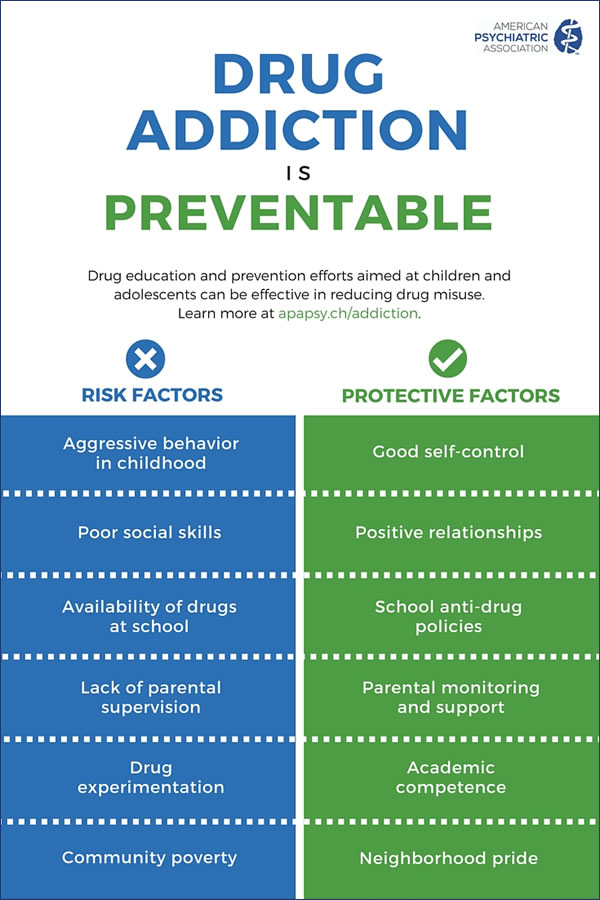
By hence recognizing issues, discrepancies, and goals, the therapist can help clients choose how they can utilize their time together in treatment sessions to promote development toward those objectives. Cooperation to identify and prioritize specific objectives and techniques with timeframes for reaching those goals assists the therapist and customer together establish a treatment strategy customized to https://blogfreely.net/calvin8lot/approximately-2-5-million-older-adults-in-the-united-states-have-an-alcohol-or the private clients interests and concerns (Washton and Zweben, 2006) - why is group therapy the most effective treatment for addiction.
When the client consents to a worked out plan, the therapist will refocus on the preparation process when required to clarify issues through more evaluation. Therapists can also carry out regular review of the treatment strategy to help specify client choices and to choose and execute actions. Additionally, evaluation of a treatment strategy also encompasses evaluation of the outcomes of those actions and modification of the plan as the work progresses.
Engaging a customer in collaborative treatment preparation is in itself an intervention that adds to advance in treatment. Hopefully it is currently clear that I wish to focus on the active procedure of planning treatment in addition to the obtained item of a file to be filed in the client's record.
It can act as a nonbinding contract of sorts to assist subsequent deals in the treatment relationship. But the underlying property is that without incorporating the client's point of view and activating the client's effort, the file will deserve bit more than the paper it is composed on. Telling an alcoholic client that he requires to stop drinking will not help up until the customer concurs to stop. Clients who have been handling their anger, sadness, aggravation, or anxiety by masking feelings behind substance-induced affect can benefit from a therapist's suggestions about other reliable techniques for managing hard emotions. Glidden-Tracey (2005, Chapter 9) addresses interventions to help customers handle challenging affect consolidated the problems that bring them to treatment.
Customers who accept objectives of managing psychological stimulation that disrupts effective efficiency generally require the task broken down into manageable steps. Continue reading To help strategy treatment techniques for emotion management objectives, the therapist can make use of the timeless approach-avoidance dispute paradigm posed by Dollard and Miller (1950 ). Already pointed out is the tendency Have a peek here for compound users in treatment to feel ambivalent about changing their patterns of usage, considering that their substance usage yields both pleasurable and uncomfortable results.
Dollard and Miller (1950) empirically validated their hypotheses that the propensity to approach an objective would be more powerful when the person is further from the objective, but avoidance activity increases rapidly and ultimately overtakes the method propensity as the specific gets closer to the objective. The client being in the therapist's workplace with primed awareness of the undesirable elements of compound use that landed the customer there is at that point more determined to approach the goals of treatment than the customer will be during the time in between sessions when opportunities occur to act counter to objectives and objectives.
A Biased View of Addiction Psychiatrists Are Mental Healthcare Professionals Who Are Involved In The Treatment Of
Frequently the customer gets nervous about the clashing pulls. The customer might be more tempted to avoid thinking of either the goals or the related conflict by offering into the urge to use the compound, which guarantees remedy for contrasting feelings, however momentary. A client who stresses over handling friends who press him to consume with them can benefit from factor to consider in therapy of what he can do in those moments to stick to his objectives and deal with the matching feelings.